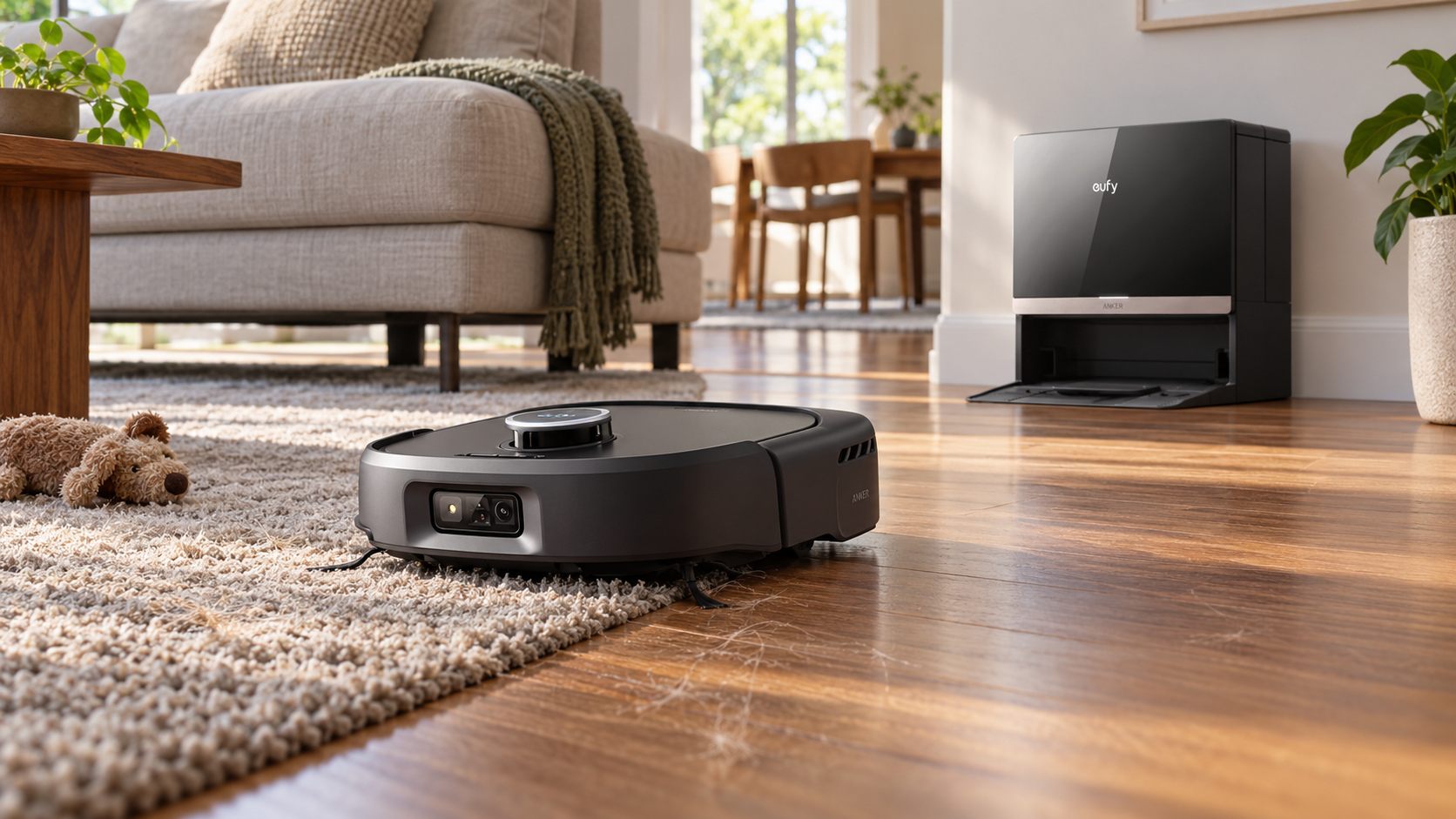
The robot vacuum arrives, maps the living room, and immediately finds the one place it cannot clean: the space beneath the sofa. A week later, its small dustbin needs attention more often than anyone expected, while the thick rug still holds pet hair. None of those problems is obvious from a large suction number on a product page. Choosing well starts with the home, the people who will maintain the machine, and the spaces it must cross. This robot vacuum buying guide works through those checks before showing how to read the specifications that matter.
What Should You Check Before Comparing Robot Vacuums?
What should you look for in a robot vacuum? Begin with the surfaces and routines it will meet every day. Four questions narrow the field faster than a long feature list.
- Are most rooms hard flooring, carpet, or a mix of both?
- Do pets leave hair, tracked litter, or toys in the cleaning path?
- How much floor area must the robot cover, and are there multiple levels?
- How much clearance is available beneath sofas, beds, and cabinets?
Mixed flooring calls for a machine that can move from a smooth surface onto rug edges without getting stuck. With a vacuum-and-mop model, check whether the mop lifts or the robot recognizes and avoids carpet while mopping. Without one of those responses, a wet mop may touch the rug. Carpet also places more weight on brush design and cleaning behavior, not just the advertised suction figure. Pet hair can wrap around rollers, while toys and bowls create moving obstacles.
Floor area matters because a robot must complete a practical route. A compact home with many chair legs, narrow passages, and thresholds may be harder to cover than a larger open floor plan. For a large area, compare stated runtime and check whether the robot can recharge and resume an unfinished job. In a multilevel home, one robot still has to be carried between floors, but support for multiple saved maps can let it recognize each level and clean from the correct layout.
Furniture deserves a tape measure. Check the lowest solid point beneath a sofa or bed, including support rails hidden behind the front edge. A robot that is slightly too tall will leave a broad strip untouched, and no navigation feature can correct a physical mismatch.
Who Will Look After the Robot?
A robot vacuum moves the cleaning work around. Someone still has to empty dust, deal with hair around a brush, refill water on vacuum-and-mop models, and clean parts on schedule. The useful question is how much of that work the household wants the dock to handle.
A basic charging dock only gives the robot a place to recharge. This setup occupies less space and may suit a smaller home where emptying a bin by hand is easy. An auto-empty dock transfers debris into a larger container, so the onboard bin needs less frequent attention. A fuller service station may also refill clean water, drain dirty water, wash the mop, and dry it.
The right level depends on habits. If no one wants to wash a mop after each run, a basic dock can turn a convenience into another chore. A household comfortable with regular hands-on care may prefer the smaller setup. Comparing robot vacuums for different home routines is easier after deciding which tasks should stay manual. Automation does not cancel maintenance. Bags, filters, brushes, and mop parts still wear or collect residue. Check what must be cleaned or replaced and how easy those parts are to reach before choosing a station.
What Can Suction Numbers Tell You?
There is no single Pa number that identifies a good robot vacuum. Pascal ratings describe pressure, and product pages often feature the highest value reached under a particular test setup. The robot may not use that level throughout a normal cleaning cycle. A larger number is an upper-limit reference, not a report of what happens on every floor.
Direct comparison can also be unreliable when test methods differ. The measurement point, airflow path, selected mode, battery state, and laboratory setup can affect the published figure. Without the same method and conditions, two Pa ratings may not represent an equal test.
Cleaning depends on the entire pickup path. Brush contact helps lift debris from carpet fibers. Air seals affect how much of the fan’s effort reaches the floor, while the selected mode changes noise, power use, and pickup behavior. Rug thickness and debris type matter as well.
Use Pa as one clue. Look for clear descriptions of how the machine handles the flooring and debris found in the home, and pay attention to whether a number is labeled peak, maximum, or laboratory-tested. A robot with an impressive headline rating can still disappoint if its brush, height, or route does not suit the room.
What Downsides Should You Plan For?
Robot vacuums reduce routine floor work, but they still need a home that is ready for them. Thin cables, socks, and small pet toys are safer off the floor before an unattended run. Object detection can help, yet changing light, viewing angle, and the shape of an item can affect recognition.
Space can be another cost. A service station needs a stable location, access to power, and enough clearance for docking. Consumable parts require periodic replacement, and brushes or sensors still need cleaning. These tasks are lighter than vacuuming every room by hand, but they do not disappear.
Connected features also deserve attention. Mapping, room selection, schedules, and some remote controls commonly depend on an app and home Wi-Fi. Buyers who prefer minimal connected setup should check which functions remain available without those services.
None of these limits makes the category a poor choice. They define the work the machine can take over and the work that remains with the household. A useful purchase is one whose remaining tasks fit the routine.
How Do Navigation, Height, and Clearance Fit Your Home?
Navigation determines whether the robot can make sense of the floor it was bought to clean. LiDAR measures room geometry and supports mapped, organized routes, including cleaning by room on compatible systems. Camera-based sensing can add visual information about the path ahead, though performance may vary with lighting. The label matters less than whether the machine can map, divide, and complete the intended space.
Obstacle detection is only one line on the checklist. It may help around a sock or data cable, but robot height decides whether the machine reaches beneath furniture at all. Obstacle-clearance height answers another question: can the wheels cross the raised threshold at a doorway or the edge of a rug? Measure both conditions in the home before comparing the specification table.
The eufy Robot Vacuum Omni E35 shows how these figures can be read together. Its LiDAR navigation addresses room mapping and route planning. The robot is 4.58 inches high and 12.83 inches wide, so furniture needs at least that much height and width for access. Its listed obstacle-clearance height is 1.18 inches, a figure to compare with thresholds and rug edges.
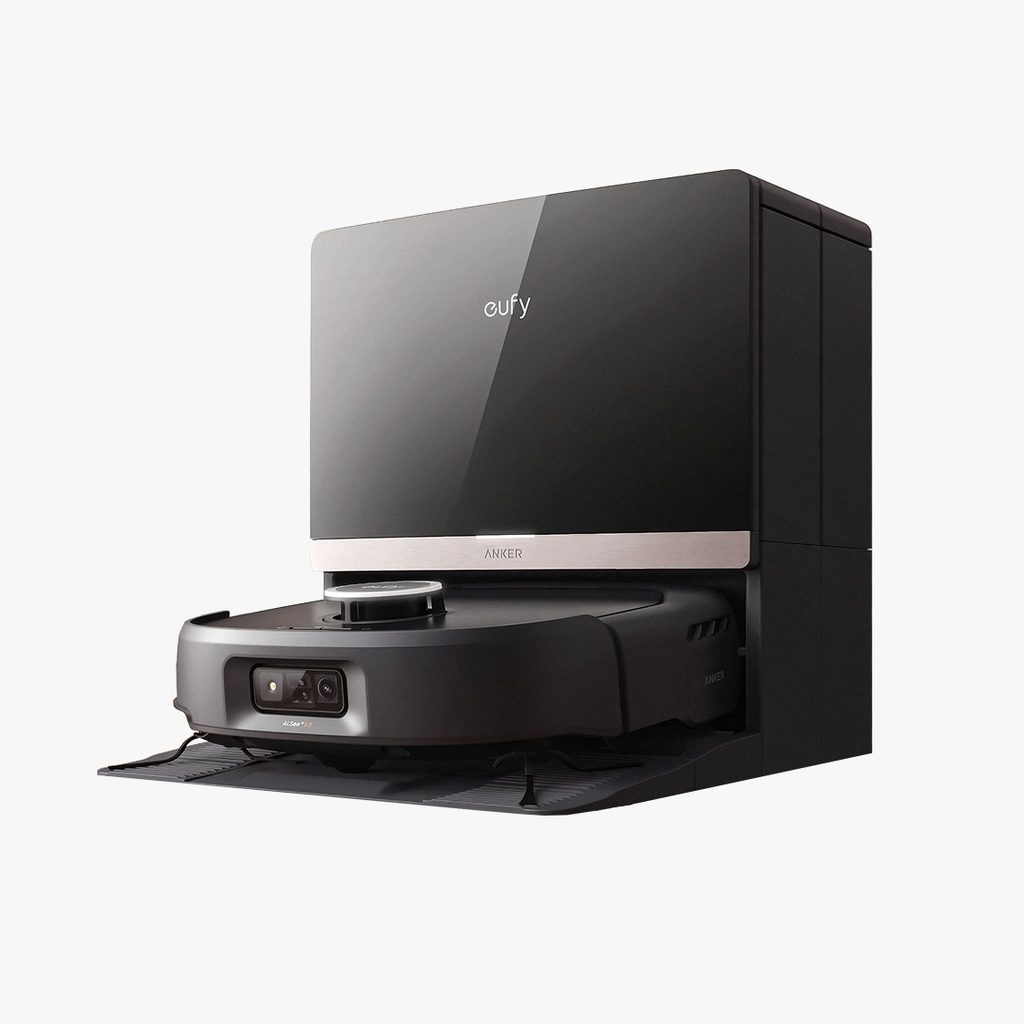
The same reading discipline applies to suction. The E35 lists 35,000 Pa peak suction measured under laboratory conditions, and actual results can vary. That number describes a tested upper level. It does not mean the robot operates at 35,000 Pa throughout every scheduled run, nor does it replace questions about floor type, brush contact, cleaning mode, or debris.
Daily fit goes beyond those measurements. The E35 combines vacuuming with a rolling mop, while its station handles dust collection, water refilling and drainage, mop washing, warm-air drying, and detergent dispensing. Those tasks matter most when the household wants less hands-on care and has room for the 14.57 by 17.60 by 16.18-inch station. DuoSpiral™ brushes and AI See™ 3.0 address hair tangles and everyday obstacles.
This is how to choose a robot vacuum without letting one specification take over the decision. Read navigation beside room layout, body height beside furniture clearance, crossing height beside thresholds, and suction beside its test conditions. The useful machine is the one whose measurements match the home.
Start with the floors, pets, room layout, furniture clearance, and the people who will maintain the robot. Decide how much dock automation fits the routine, then read suction and navigation claims within their stated conditions instead of treating one Pa figure as a verdict. A robot vacuum can take over a large share of everyday floor care, but the better match comes from measuring the home and accepting the few tasks that still require a person.