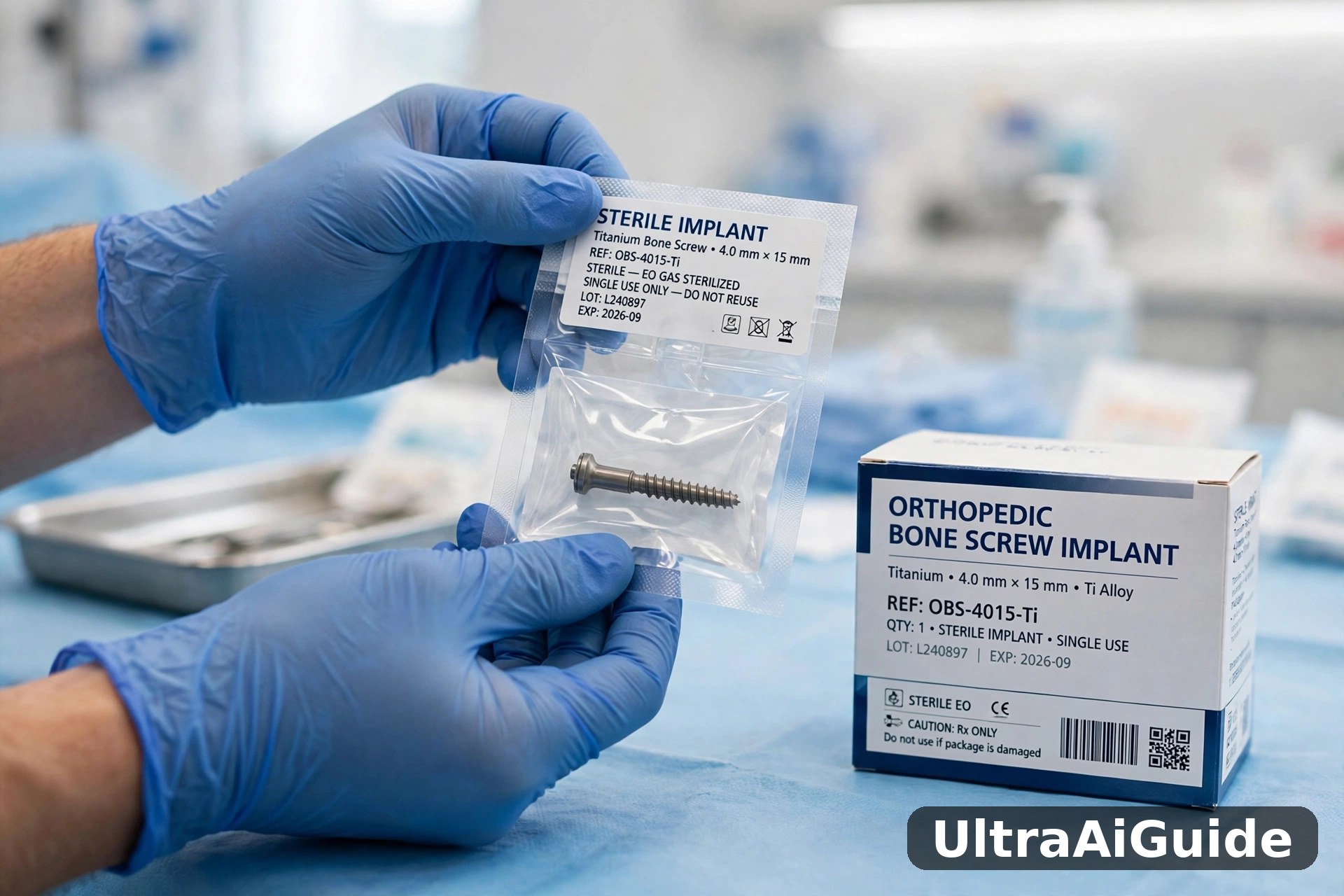
When an implant or surgical device starts making headlines, most attention lands on the product itself. Far fewer people ask about medical device ownership — which company actually stood behind the device when it was designed, manufactured, and sold.
That company can change. Businesses are bought, sold, merged, and restructured, and a familiar brand name can pass through several owners while the product on the shelf looks exactly the same.
This article explains why that ownership trail matters, how it is reconstructed, and where its limits lie. It is general information only, not legal advice, and it cannot determine anything about an individual case.
The Name on the Device May Not Tell the Whole Story
A product can keep the same familiar name for decades while the business behind it changes completely. One company may develop a device, another may acquire that business, and a larger organisation may later buy the whole group.
That matters when questions arise about design decisions, warnings, manufacturing quality, or post-market monitoring. The company associated with a device at launch may not be the entity connected with it years later.
An ownership history shows who controlled a business or product line at different points in time. It does not, by itself, prove legal responsibility for anything that went wrong.
What “Ownership” Actually Means for a Device
Ownership is not one single fact. The name printed on the packaging, the company holding the regulatory clearance, and the company that physically manufactured the device can be three different things.
In practice, several roles are usually in play:
- The brand owner, which holds the product name and marketing rights
- The legal manufacturer, named on regulatory registrations and listings
- The parent company, which owns the business through subsidiaries
- A successor, which takes over a product line after a sale or merger
A parent company may own the brand while a subsidiary manufactures the device and a contractor handles distribution. Each role generates different records and carries different responsibilities, so keeping them separate is the first step in reading any device’s history clearly.
A Corporate Timeline Can Bring the History Into Focus
When ownership has changed several times, putting events in chronological order makes the story far easier to read. Start with when the device was developed and first sold.
Then add later acquisitions, ownership changes, safety communications, reported problems, and public legal developments. The aim is not to draw conclusions from the sequence alone.
The timeline shows which events happened under which corporate structure. Without one, readers can easily assume that several company names appearing in coverage of a single product are interchangeable, when they are not.
Product Liability Can Involve More Than One Question
A medical device claim is rarely as simple as showing that a patient had a poor outcome. Poor outcomes can occur even when a device worked exactly as intended.
A claim may raise separate questions: whether the device was defectively designed or manufactured, whether its warnings were adequate, and whether the alleged problem actually caused the injury. General explainers of how product liability claims work walk through how those questions are usually framed.
Where a product has passed between businesses, attention turns to which entity performed which function, and what obligations a transaction actually transferred. That depends on the deal documents and the applicable law.
Safety Oversight Continues After a Device Reaches Patients
A device’s story does not end when it enters routine use. Real-world experience produces information that earlier testing could not, and monitoring continues for years afterwards.
Reports from patients and clinicians, internal quality data, and published research all feed a developing picture of performance. Official channels such as the FDA’s medical device reporting system exist so that those reports reach the regulator in a structured way.
When ownership changes mid-stream, knowing which organisation was responsible for monitoring during a particular period can become important. A later safety finding does not automatically establish what was known years earlier.
How Regulators Track the Company Behind a Device
Regulators do not rely on brand names. Devices are registered and listed under their legal manufacturer, and those records can be searched through official device registration and listing records.
Modern devices also carry a unique device identifier, a code tying a specific product to its maker and model. That identifier appears in clinical records and helps trace exactly which device a patient received.
When a business is sold, registrations and listings are updated to the new owner. Gaps or mismatches in that paper trail are often where confusion about responsibility begins.
Allegations and Established Facts Need to Stay Separate
Device litigation generates strong headlines, which makes careful wording essential. A complaint filed in court contains allegations; filing it does not establish that any of them are true.
A settlement may resolve a dispute without any judicial finding on the underlying issues. A safety communication carries important information, but its meaning should come from the underlying record rather than the headline.
Patient reports need similar care. A reported adverse event identifies a concern worth investigating, but it does not by itself prove that the device caused the event.
Start With the Records Closest to Your Own Experience
Someone worried about an implanted device does not need to reconstruct an entire corporate history before taking sensible first steps. Start with the records of your own care.
Procedure notes, implant cards, imaging, and follow-up records help establish which device was used and what happened afterwards. A simple timeline of symptoms and appointments makes that history easier to explain.
If a device is causing pain or other symptoms, discuss treatment with a qualified healthcare professional. Anyone considering legal action needs advice on their own circumstances, because deadlines and liability rules differ.
Ownership Trails Add Context, Not Automatic Answers
Corporate ownership research explains how a device moved through the business world while remaining familiar to patients. It can show which organisations were connected with a product at particular times.
What it cannot do is establish liability by itself. An acquisition, a reported complication, a lawsuit, and a safety action are different pieces of information, each with a different meaning.
Frequently Asked Questions
Does buying a device brand make a company liable for its past?
Not automatically. Whether obligations transfer depends on the structure of the deal, the contracts involved, and the law that applies. Courts examine the actual transaction rather than assuming responsibility follows the brand.
How can I find out who made my implanted device?
Ask your care team for your implant card or procedure notes, which should identify the device and its manufacturer. The unique device identifier in your records can also be checked against official registration listings.
Does a recall prove the manufacturer was at fault?
No. A recall is a corrective action, and it can be voluntary or ordered by a regulator. It shows a problem was identified and addressed; it does not, on its own, amount to a legal finding of fault.
When should I speak to a lawyer about a device concern?
If you believe a device harmed you and you are considering a claim, speak to a lawyer promptly. Filing deadlines vary and can expire, and only advice based on your own facts can say whether a claim exists.
Conclusion
The label on a device may stay the same for years while the organisation behind it changes more than once. Following the ownership trail will not answer every question, but it makes the whole story far easier to read.
Keep allegations separate from established facts, start from your own records, and treat ownership as context — useful, sometimes essential, but never a verdict on its own.