When you hire a WordPress developer and ask for a custom build, what you get and what you pay for might not always be the same thing. That gap is pretty common, and it costs you money to fix afterwards.
Our teams at DevelopersDex have seen this play out across many WordPress projects. And the difference often comes down to how the site was built. Did the developer write custom code or simply modify a $60 theme? Both may be sold as “custom WordPress development,” but only the first involves building a site with code.
This article breaks down how you can spot a template sold as bespoke work, and how to verify what you’ve received.
What Does a Custom WordPress Build Really Include?
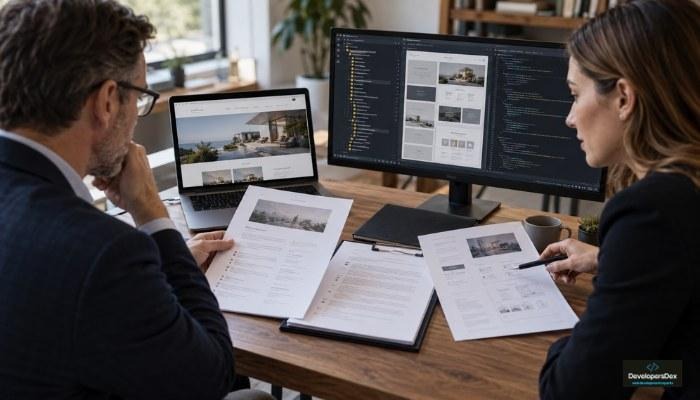
A custom WordPress build means every line of code is written specifically for your site, with no base theme or borrowed structure underneath it. Developers write every PHP template, function, and layout manually. It’s a fundamentally different product from a modified pre-built theme.
Five things in general go into a custom WordPress development project:
- Built Without a Base Theme: No pre-bought theme sits underneath the website. Every template is written to serve your site specifically, and the codebase carries only the code your business needs, nothing extra.
- Coded Around Your Business Needs: Features, layouts, and logic are built around how your business operates, rather than forcing your needs into a fixed template. Developers can also write custom code for features that an off-the-shelf theme doesn’t support.
- No Unnecessary Plugins: Unnecessary plugins can introduce security risks, slow down your site, and cause update conflicts over time. In a custom build, core features are coded into the build itself. This reduces any need for extra plugins. Essential plugins like security monitoring, backup, and caching are standard even in custom builds. The difference is that a custom site doesn’t need plugins for basic functions like contact forms, layout control, or custom post types, because those are built into the code.
- Full Code Ownership: You’ll own everything delivered at the end of the WordPress project. There’s no third-party theme licence or subscription tied to keeping your site’s functionality intact after handover.
- Clean Structure for WordPress Sites: Technical SEO, search engine rankings, and website speed all depend on clean architecture. In a custom build, that means using a proper heading hierarchy and semantic HTML to help search engines understand each page. Developers can also add relevant schema markup and remove unnecessary code to improve page performance.
A pre-built theme doesn’t offer all five of these benefits. Yet some agencies still present theme-based websites as custom builds. The next section explains how they blur that distinction.
Businesses comparing website development options should also consider whether a fully customized solution is necessary for their goals.
Our guide to custom web development vs AI website builders explores the differences in flexibility, cost, performance, and long-term maintenance.
How Agencies Sell Templates as Custom WordPress Development
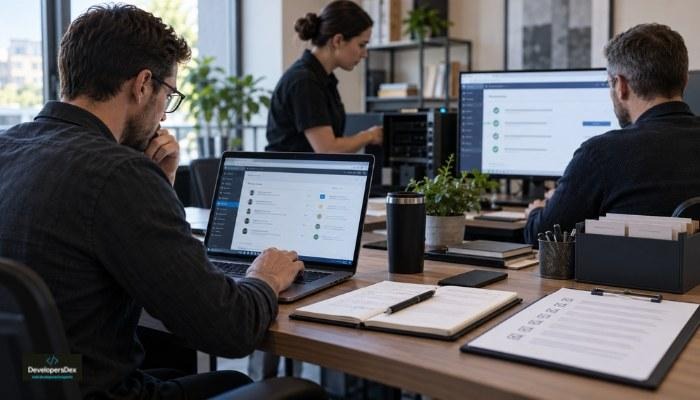
Most businesses never find out they paid for a dressed-up template until they hit a wall: a layout change the theme won’t allow, a plugin conflict that crashes the checkout page, or a redesign quote that starts with ‘we’d need to rebuild the theme first.’ By that point, the cost of the original build has already been spent.
Fortunately, the way agencies describe their work and set their prices can reveal whether you’re paying for a custom build or a modified template.
Here’s how the deception works, and what gives it away.
How Agencies Frame a Template Sale as Custom Work
The pitch usually involves words like “tailored,” “built for your brand,” and “custom design,” none of which confirm that original code was written. A WordPress development services proposal at this level reads like a custom build but never names the theme underneath it.
On paper, the scope lists deliverables like “homepage design” and “mobile responsiveness” without naming the theme underneath. It never specifies whether those come from custom theme development or a pre-built theme configured to match.
So before signing, ask the agency directly: Are they building an original WordPress theme, or customising an existing one? If they’re using a pre-built theme, which one?
The Price Is the First Red Flag to Watch
In our experience, quotes for a standard custom business site in Brisbane typically start around $5,000 to $8,000, though complex builds with e-commerce or integrations run higher. A quote significantly below that range almost always means a pre-built theme is doing the structural work.
The price gap itself isn’t accidental. Studios offering custom WordPress development services at a fraction of market rate are cutting costs somewhere. And most of the time, that cost comes out of the build itself: fewer hours, a pre-built theme, and no original code written for your site.
How Do You Check If Your WordPress Website Is Truly Custom?
You can check it by running five quick tests on your live site. None of them need a developer. Tools like Wappalyzer and your browser’s page source return a clear answer in under five minutes.
The areas below tell you exactly what your site is built on:
| What to Check | Template Site | Custom Build |
| Page source code | /wp-content/themes/[recognisable theme name] visible | No commercial theme name in the path |
| Wappalyzer scan | Named theme detected, e.g., Divi, Avada | No theme match found, or custom label only |
| PageSpeed score | 40–65 on average without performance optimisation | 85+ on a properly built custom site |
| Active plugin count | 10–20+ third-party plugins handling core functions | 5–10 plugins, with core functions coded in |
| WordPress website design control | Layout options constrained by the theme’s template | Complete control over layout and logic throughout |
You’ll probably find the answer in the page source alone. And a Wappalyzer scan will confirm it in seconds. PageSpeed scores depend on hosting, images, and content as well as code quality. Use the score alongside the other checks rather than on its own.
How Do You Find WordPress Developers in Brisbane Who Do It Right?
A proven track record across different WordPress projects shows how well a developer handles technical challenges and meets client requirements. Brisbane businesses that rush past this step tend to find themselves starting over sooner than expected.
Two things tell you whether a studio is worth hiring: what they build for complex WordPress sites, and how they show up after launch.
1. Custom WordPress for an Online Store or Service Site
Online stores need custom WooCommerce templates built around how the business handles products, orders, and checkout, rather than a shop plugin added to a generic theme.
Service-based WordPress sites have different needs. For example, a law firm might need separate sections for its practice areas, lawyers, and client testimonials.
Custom post types let the business manage each type of content separately. Meanwhile, custom modules control how it appears on the website. This structure makes information easier to manage as the business grows.
Both types of sites need to connect with other business systems as well. For example, a website can send customer enquiries to a CRM (customer relationship management system) or sync orders with inventory software. These connections reduce manual data entry and keep information up to date.
In a custom setup, developers can also build editable page templates (using WordPress’s block editor), contact forms, and marketing tools into the site to suit its specific needs. This way, your site won’t have to rely on third-party plugins for every feature.
2. What Happens After Launch: Ongoing Support and Your Development Partner
After years of working with WordPress development teams, we’ve found that post-launch support is where most studios fall short. The same team that built your site should cover plugin updates, security checks, and allocated development hours each month.
What’s more, a reliable development partner documents your codebase, so another developer can understand and maintain it without starting from zero. Without that documentation and ongoing support, even small changes can become costly. And replacing the original team means paying another developer to untangle the existing code.
Found a WordPress Developer in Brisbane? Ask These Things First
Custom WordPress development is ultimately a specific set of decisions made before a single line of code gets written. Those decisions determine how your site will function down the track.
The developer you hire should answer all of your questions about:
- A clear plan covering design, development, testing, and launch
- Agreed security updates, bug fixes, and response times
- Full ownership of paid custom code and clear terms for third-party licences
Studios that can’t answer those questions directly aren’t worth the WordPress project budget.
If you’re researching what a proper custom WordPress website costs or how Brisbane businesses approach web design budgets, our other articles cover both in detail. Head over to DevelopersDex and read more.